July 30, 2026-
No Comments
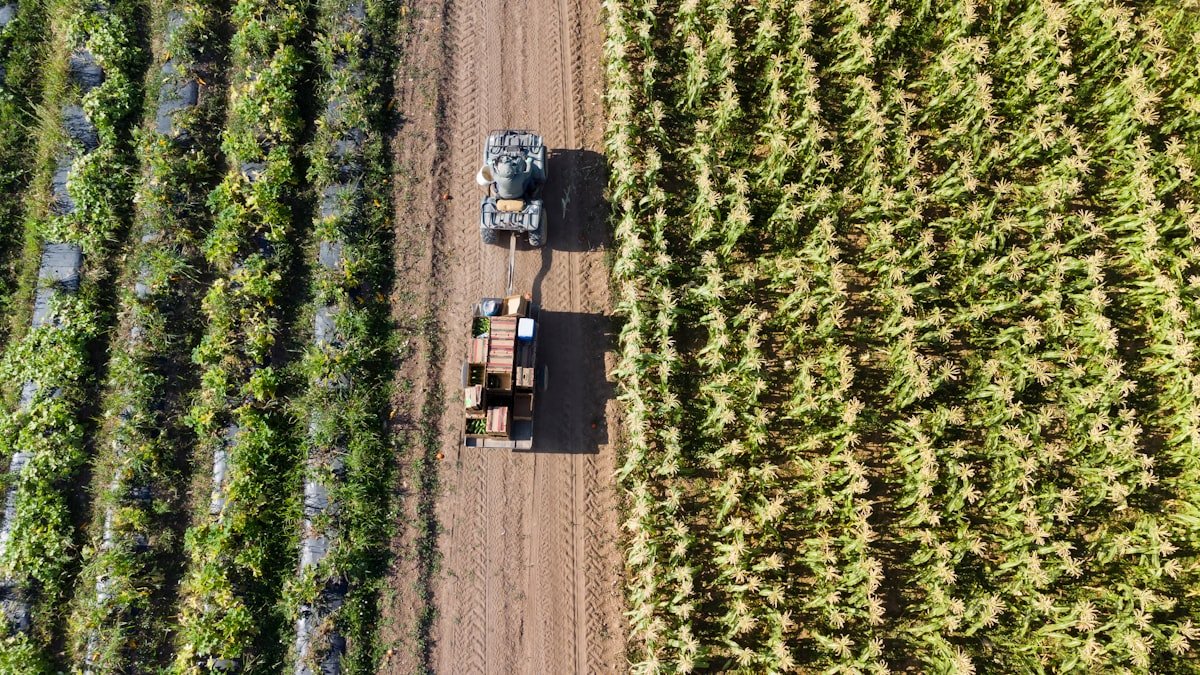
From ingredient waste reduction to by-product utilisation — how feed mills are lowering their environmental footprint.
From ingredient waste reduction to by-product utilisation — how feed mills are lowering their environmental footprint.
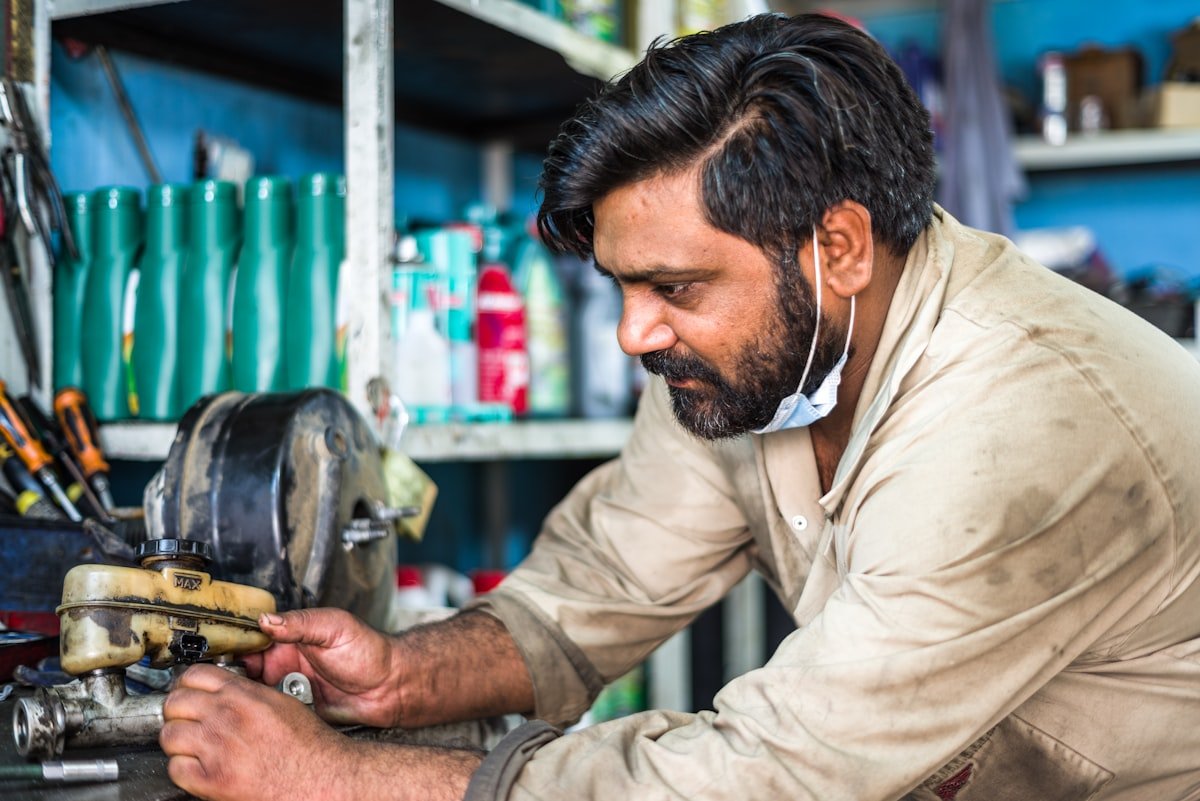
Why preventive maintenance — not reactive repair — protects both production consistency and worker safety.
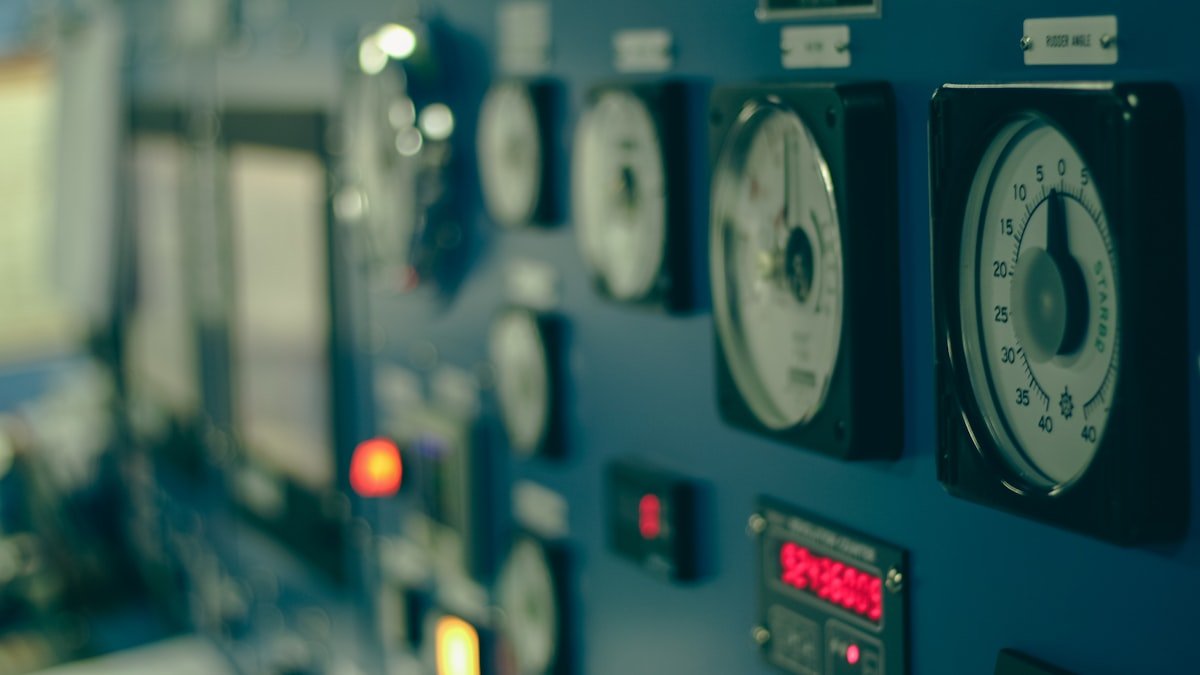
How PLC-controlled batching and automated traceability are starting to reshape Nigerian feed mills.
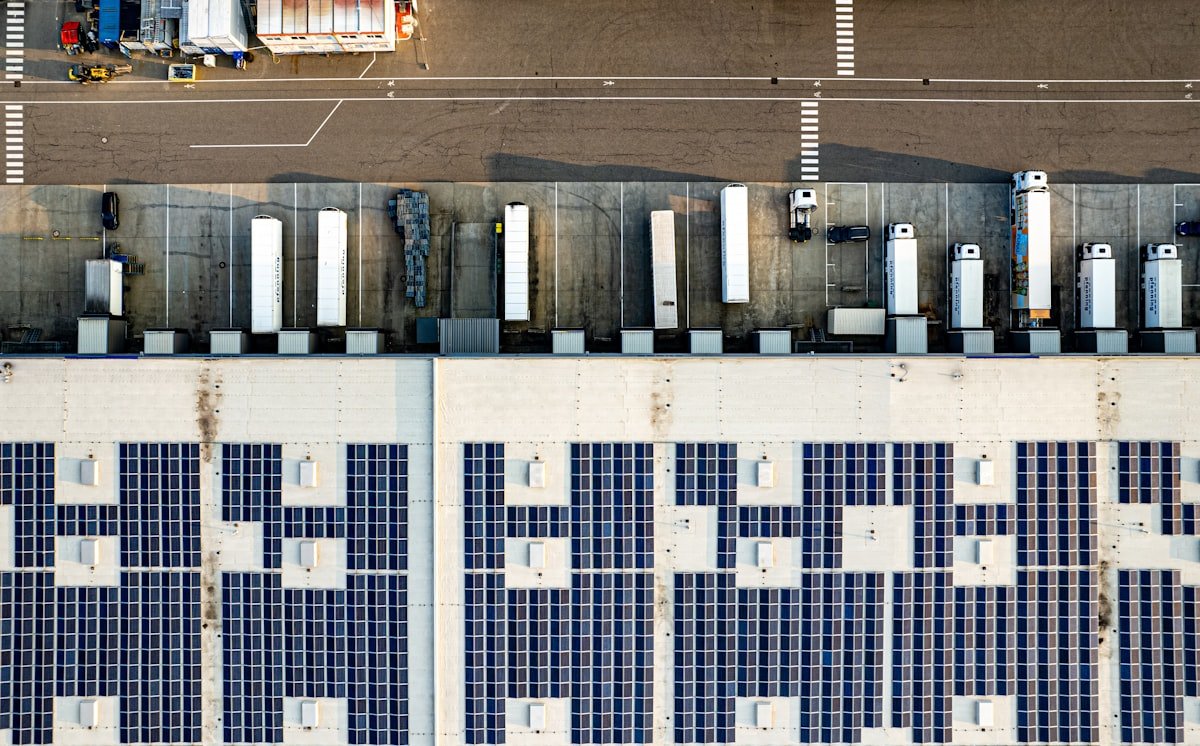
Where energy really goes in a feed mill, and practical ways operators are cutting cost per tonne produced.

From incoming ingredient testing to finished product verification — the quality control backbone of a reliable feed mill.
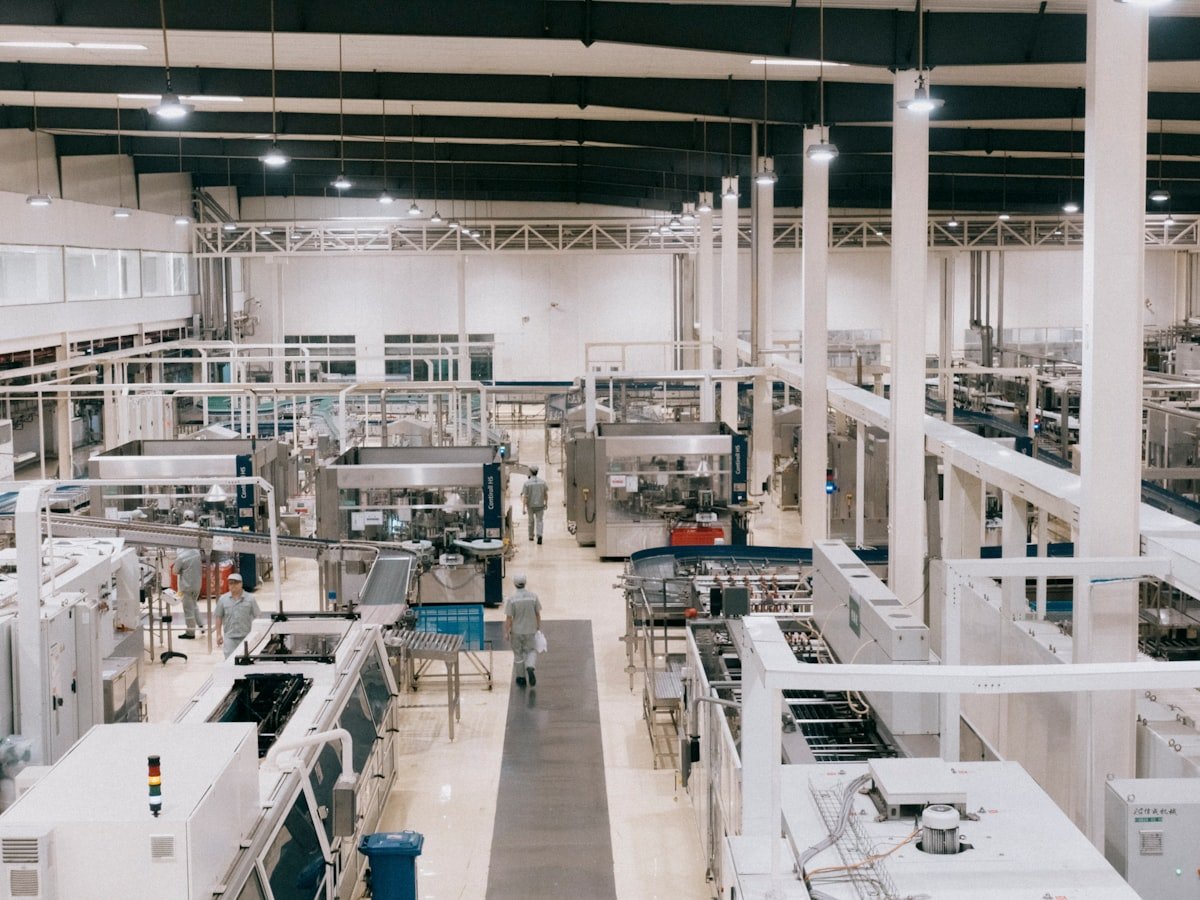
A practical guide for SME feed producers weighing grinding, mixing, and storage equipment investments.

Where feed safety really starts: sanitation SOPs, pest control, and preventing cross-contamination on the mill floor.
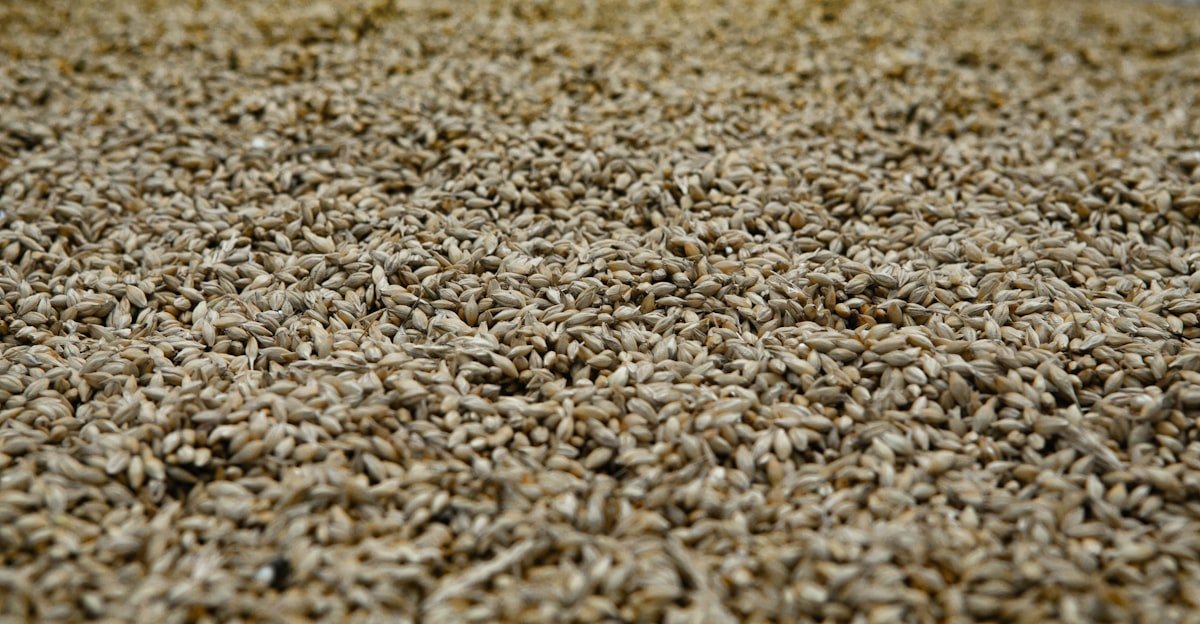
How steam conditioning and pellet dies turn loose mash into durable, nutrient-consistent feed pellets.
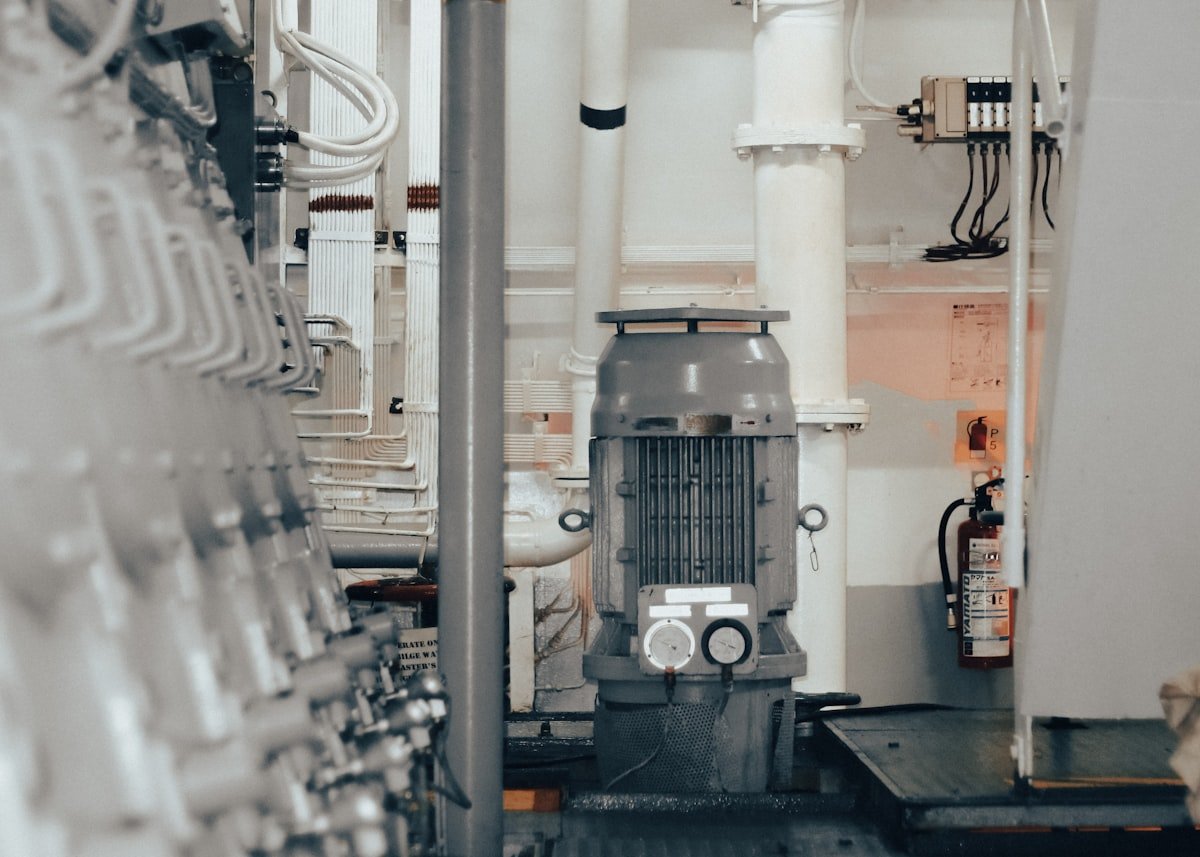
How grind size affects digestibility, pellet quality, and feed efficiency — and what mills can do to control it.
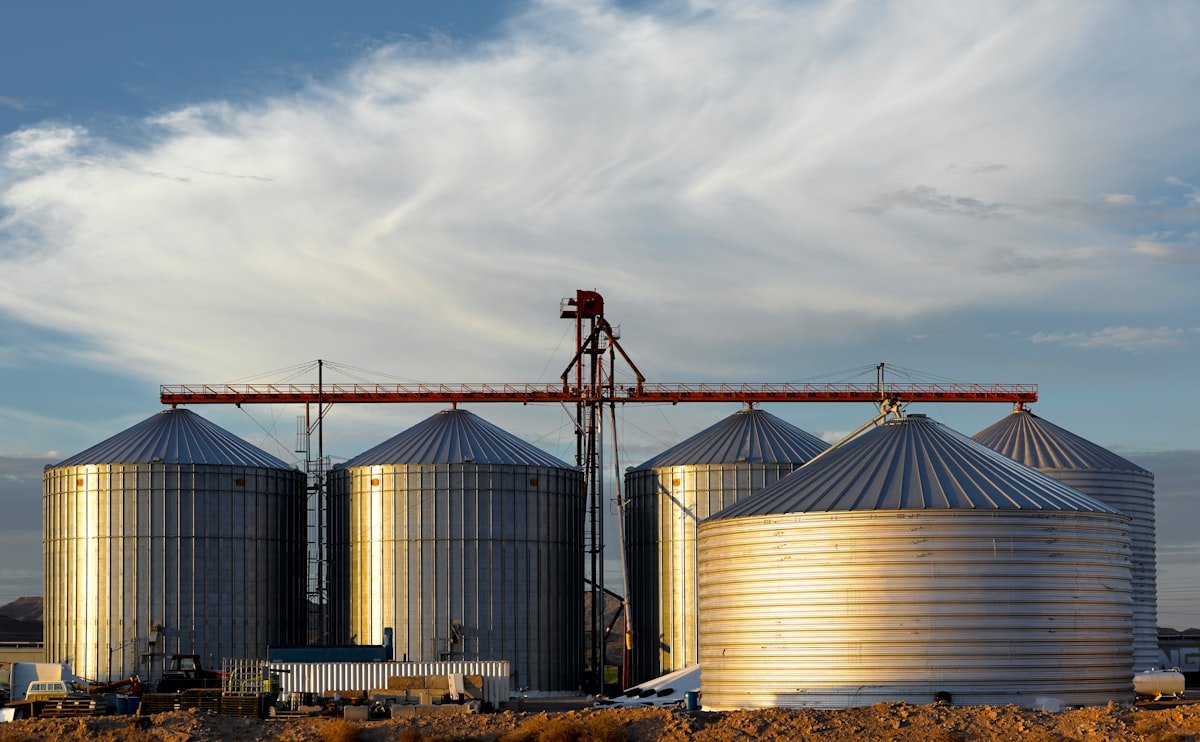
A stage-by-stage look at how raw agricultural commodities become finished, nutritionally balanced animal feed.